

A Complete Guide for Buyers Looking Beyond the Price Tag
When shopping for a new smartphone, one of the biggest questions consumers ask is: Should I buy a Samsung Galaxy or an iPhone? While both brands dominate the global smartphone market, choosing the right device isn’t just about features or design—it’s about long-term value.
A phone is an investment that most people expect to use for several years. Factors such as software updates, durability, resale value, repair costs, performance, and ecosystem support all play a major role in determining whether a smartphone delivers true value over time.
At M-Tech Enterprise, we help customers find smartphones and technology solutions that match their needs and budget. This guide compares Samsung and iPhone from a long-term ownership perspective to help you make an informed decision.
Understanding Long-Term Value in a Smartphone
Many buyers focus solely on the purchase price.
However, true long-term value includes:
- Lifespan of the device
- Software support
- Performance over time
- Resale value
- Repair and maintenance costs
- Security updates
- Reliability
- Accessory ecosystem
A phone that costs more initially may actually save money over several years if it remains functional and retains its value.
Initial Purchase Price: Samsung vs iPhone
Samsung and Apple offer devices across different price ranges.
Samsung
Samsung provides options for nearly every budget:
- Entry-level Galaxy A Series
- Mid-range Galaxy A and FE Series
- Premium Galaxy S Series
- Foldable Galaxy Z Series
This wide selection allows customers to find a phone that fits their financial needs.
iPhone
Apple’s lineup is generally more focused on the premium market.
Although older models remain available at lower prices, iPhones tend to have higher starting prices than comparable Samsung devices.
Winner: Samsung
For buyers seeking affordable options, Samsung offers more flexibility and price points.
Software Updates and Device Longevity
Software support significantly affects how long a phone remains secure and functional.
Apple
Apple is widely recognized for long-term software support.
Many iPhones receive:
- 5 to 7 years of iOS updates
- Consistent security patches
- Simultaneous global updates
For example, iPhones released several years ago often continue receiving the latest operating system updates.
Samsung
Samsung has improved dramatically in recent years.
Many flagship Samsung devices now receive:
- Up to 7 years of Android updates
- Extended security support
- Frequent feature enhancements
However, some mid-range and budget devices may receive shorter support periods.
Winner: Tie
Both brands now offer excellent software longevity, particularly on flagship models.
Performance Over Time
A smartphone’s ability to remain fast and responsive after years of use is crucial.
iPhone Performance
Apple designs both the hardware and software.
Benefits include:
- Excellent optimization
- Smooth performance over many years
- Efficient battery management
- Consistent user experience
Even older iPhones often perform surprisingly well.
Samsung Performance
Samsung flagship devices offer powerful processors and excellent multitasking capabilities.
High-end Galaxy phones remain fast for years, but lower-end Android devices may experience performance slowdowns sooner than premium models.
Winner: iPhone
Apple’s hardware-software integration generally provides better long-term performance consistency.
Resale Value Comparison
One of the most overlooked aspects of long-term value is resale value.
iPhone Resale Value
iPhones consistently hold their value better than almost any other smartphone brand.
Reasons include:
- Strong demand for used iPhones
- Long software support
- Premium brand reputation
A three-year-old iPhone often sells for significantly more than a comparable Android device.
Samsung Resale Value
Samsung devices typically depreciate faster.
While flagship Galaxy phones retain value reasonably well, they generally lose value more quickly than iPhones.
Winner: iPhone
If resale value matters, Apple clearly has the advantage.
Repair Costs and Service Availability
Accidents happen, and repair costs can affect long-term ownership expenses.
iPhone Repairs
Common repairs include:
- Screen replacement
- Battery replacement
- Camera repair
While official repairs can be expensive, Apple has an extensive service network.
Samsung Repairs
Samsung repair costs vary by model.
Flagship devices often have repair costs similar to iPhones, while some mid-range devices may be less expensive to repair.
Winner: Tie
Both brands offer widespread service options, though repair costs vary depending on the model.
Battery Life and Longevity
Battery performance impacts daily usability and long-term satisfaction.
Samsung
Many Galaxy devices offer:
- Large battery capacities
- Fast charging
- Adaptive battery management
Samsung often leads in charging speed.
iPhone
Apple focuses heavily on battery optimization.
Although battery capacities may appear smaller on paper, iPhones often deliver excellent real-world battery performance.
Winner: Tie
Both brands perform exceptionally well, depending on the specific model.
Camera Performance Over Several Years
Many consumers keep smartphones for photography purposes.
Samsung Cameras
Samsung devices are known for:
- High-resolution sensors
- Zoom capabilities
- Vibrant image processing
They excel in flexibility and hardware innovation.
iPhone Cameras
Apple is known for:
- Consistent image quality
- Natural color reproduction
- Strong video performance
Content creators frequently prefer iPhones because of their reliable video quality.
Winner: Depends on User Needs
- Photography enthusiasts may prefer Samsung.
- Video creators often choose iPhone.
Ecosystem and Device Integration
A smartphone becomes more valuable when it works seamlessly with other devices.
Apple Ecosystem
Apple users benefit from:
- Mac integration
- iPad synchronization
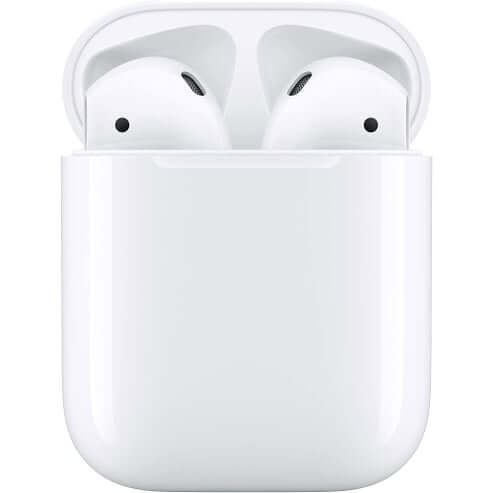
- Apple Watch compatibility
- AirDrop
- iCloud services
Everything works together smoothly.
Samsung Ecosystem
Samsung offers integration with:
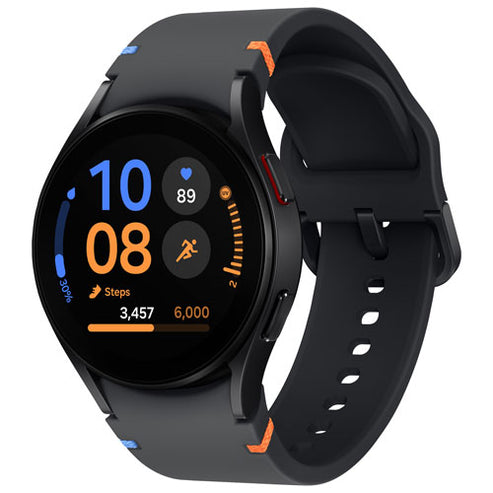
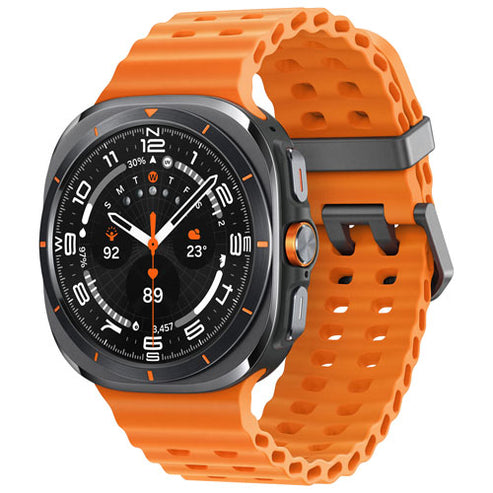
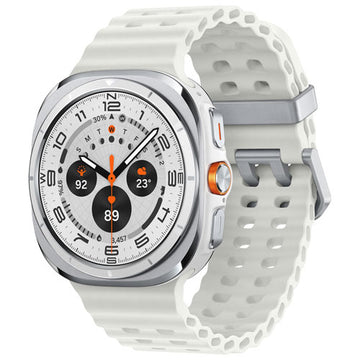
- Galaxy Watches
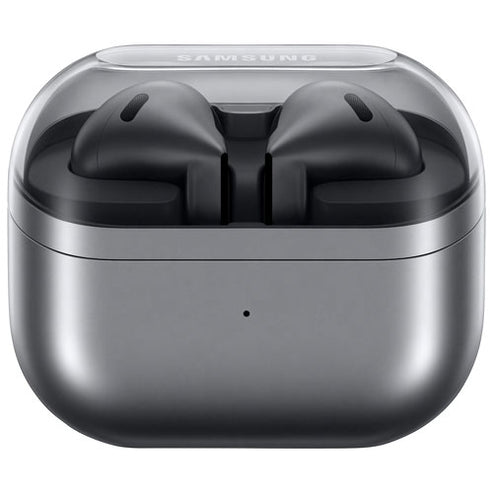
- Galaxy Buds
- Tablets
- Windows PCs
Samsung’s ecosystem has improved significantly but remains slightly less seamless than Apple’s.
Winner: iPhone
Apple still leads in ecosystem integration.
Storage and Expandability
Samsung
Many Samsung devices offer:
- Higher storage options
- Flexible configurations
- Cloud storage support
Historically, some models also included microSD expansion.
iPhone
Apple does not support expandable storage.
Users must select their storage capacity when purchasing the device.
Winner: Samsung
Samsung offers greater flexibility for storage-conscious users.
Which Brand Is Better for Business Users?
Business users often prioritize:
- Security
- Reliability
- Long-term support
- Productivity features
Samsung Advantages
- DeX desktop mode
- Advanced multitasking
- Flexible file management
iPhone Advantages
- Enterprise security
- Consistent software updates
- Strong app optimization
Winner: Tie
The best choice depends on workflow preferences.
Cost of Ownership Over Five Years
Let’s consider a simplified ownership example:
Samsung Flagship
- Lower initial promotions available
- Faster depreciation
- Strong performance
iPhone
- Higher initial price
- Better resale value
- Longer perceived market demand
When resale value is included, the total cost difference often becomes smaller than many buyers expect.
Who Should Choose Samsung?
Samsung may be the better choice if you:
✔ Want more choices across different budgets
✔ Prefer Android flexibility
✔ Need customizable software
✔ Want advanced multitasking features
✔ Prefer larger display options
✔ Need better storage flexibility
Who Should Choose iPhone?
An iPhone may be the better choice if you:
✔ Want maximum resale value
✔ Prefer a simple and consistent user experience
✔ Use other Apple products
✔ Want strong long-term performance
✔ Prioritize software support and security
✔ Create video content regularly
Which Offers Better Long-Term Value?
Both Samsung and iPhone offer outstanding smartphones, but when evaluating long-term value, the answer depends on what matters most to you.
Samsung delivers excellent value through device variety, innovation, flexibility, and competitive pricing. It is often the better option for users who want more features for their money and greater customization.
iPhone, however, generally provides stronger long-term value through superior resale prices, software longevity, ecosystem integration, and performance consistency over many years.
For most buyers planning to keep a phone for four to six years, an iPhone typically edges out Samsung in overall long-term value.
However, if you prioritize flexibility, Android features, and a wider range of price options, Samsung remains an outstanding investment.
At M-Tech Enterprise, we help customers compare the latest smartphones, tablets, and accessories to find the right technology for their needs and budget. Whether you’re considering a Samsung Galaxy or an iPhone, choosing the right device starts with understanding how it will perform not just today—but years from now.

Recent Comments